The Big Board · Sharks · October 2026 · 5 min
The Sharkiest Beaches on Earth, and the Shark Attack Capital of the World
Sixty-five unprovoked bites in the whole world last year. They were not spread evenly. Six coastlines, ranked by what the records say, not by what the movies say.
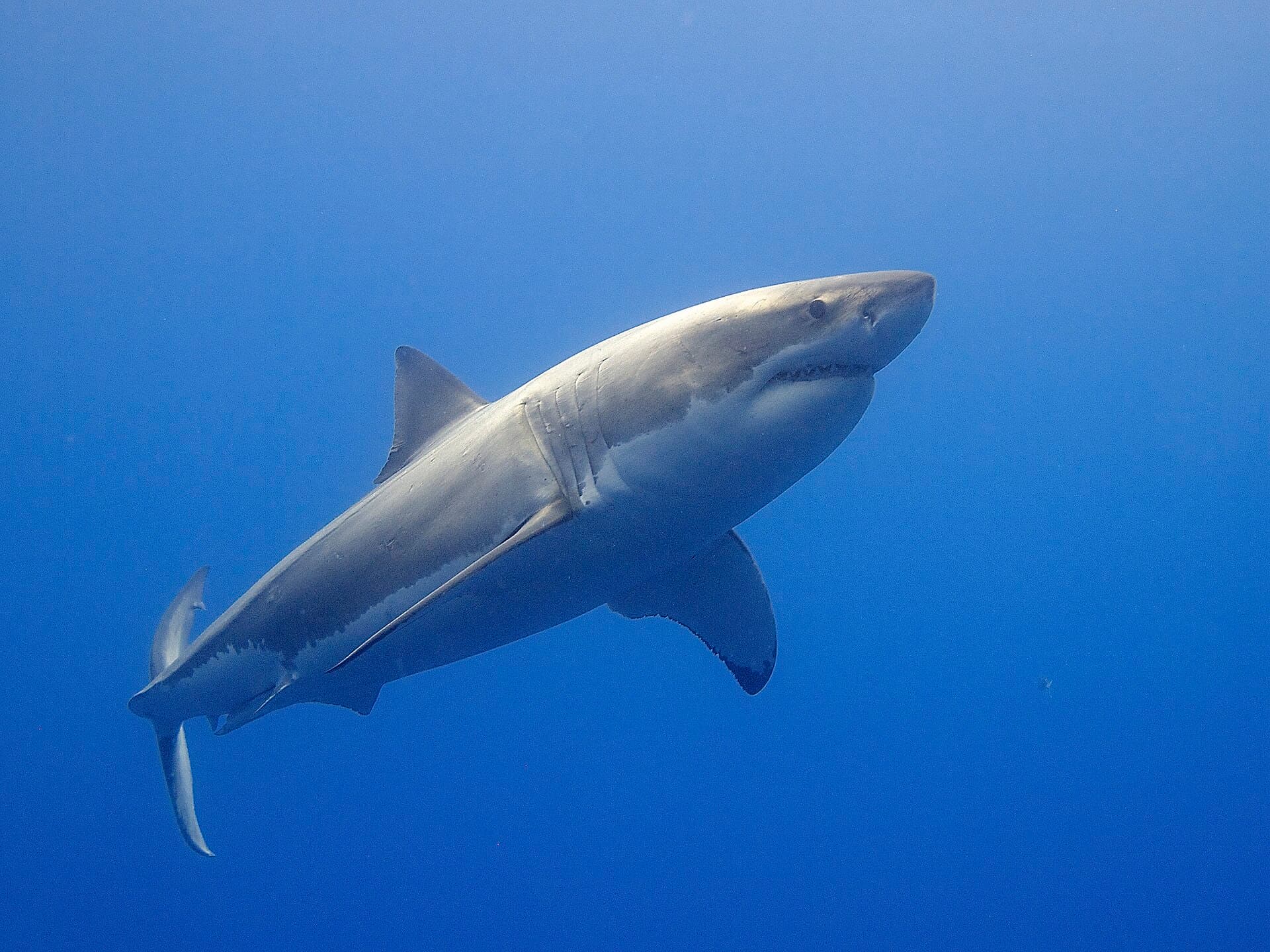
First, the reassuring part. In 2025 the International Shark Attack File, kept by the Florida Museum of Natural History, confirmed 65 unprovoked shark bites on people in the entire world, in line with its five-year average of 61. Nine were fatal. Its own summary says the risk of being bitten remains extremely low.
Now the less reassuring part. The bites cluster. The United States had 25 of the 65 and Australia had 21, well above its five-year average of 13. And within those countries a handful of coastlines keep turning up in the file. These are the six that turn up most, with what makes each one sharky.
65
unprovoked shark bites confirmed worldwide in 2025, nine of them fatal
International Shark Attack File, 2025 summary. United States 25, Australia 21.
| Coast | What the record says | Why it is sharky | |
|---|---|---|---|
| 1 | New Smyrna Beach, Florida | More recorded shark attacks than anywhere on earth | Busy surf, though no fatal bite in Florida in 2025 |
| 2 | Western Australia's south-west | Australia has the most fatal attacks; WA has been called the deadliest place in the world for them | White sharks gathering near popular surf beaches |
| 3 | Boa Viagem, Recife, Brazil | 64 people bitten since 1992, 26 killed | Bull and tiger sharks, a new port, sewage runoff |
| 4 | Réunion | 23 attacks from 2010 to 2017, nine fatal; swimming banned off half the coast | Bull and tiger sharks, the species the island culled |
| 5 | Jeffreys Bay, South Africa | A three-time world champion attacked in a contest final, and survived | A great white in the line-up |
| 6 | Lighthouse Beach, Ballina | Fatal attacks in 2008 and 2015; a shark barrier that did not last | A river mouth on a surf coast |
Ranked by the weight of the record, not by fear. Each row is sourced below.
1. New Smyrna Beach, Florida: the shark attack capital of the world
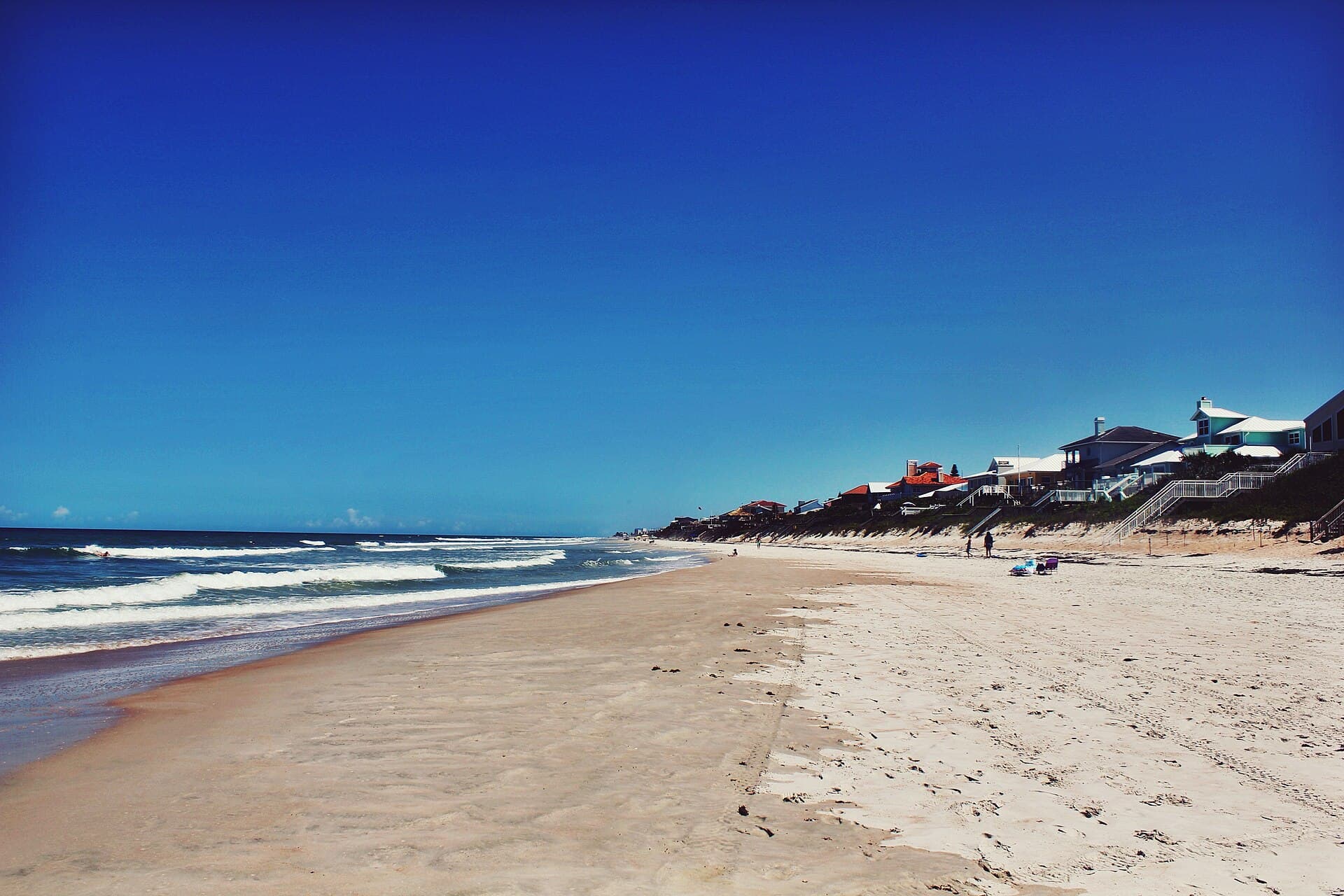
Wikipedia's article on shark attacks says it plainly: the place with the most recorded shark attacks is New Smyrna Beach, Florida. In 2007 Volusia County, which it sits in, had more confirmed shark bites than any other region in the world, and University of Florida experts gave it the dubious distinction of being the world's shark-bite capital. It has kept the title. In 2025 Volusia County had six of Florida's 11 unprovoked bites, and Florida had more than any other state.
The good news, such as it is: the 2025 file records no fatal bite anywhere in Florida. And the same town was ranked ninth on Surfer magazine's list of the best surf towns in 2009. Both facts are about the same water.
The world's shark-bite capital is also, officially, one of America's best surf towns. The sharks agree.
2. Western Australia: where the big ones are
Australia has the highest number of fatal shark attacks in the world, and Western Australia has been described as the deadliest place in the world for them. In April 2018 two non-fatal attacks near Gracetown, in the Margaret River surf region, led to the cancellation of the Margaret River Pro, a world-tour surf contest. The state then trialled SMART drumlines along the south-west coast. In 2025 the ISAF counted seven bites in Western Australia, one fatal, from a white shark, and its summary notes more white sharks being seen near beaches popular with surfers, particularly in Australia.
3. Boa Viagem, Recife: the worst odds
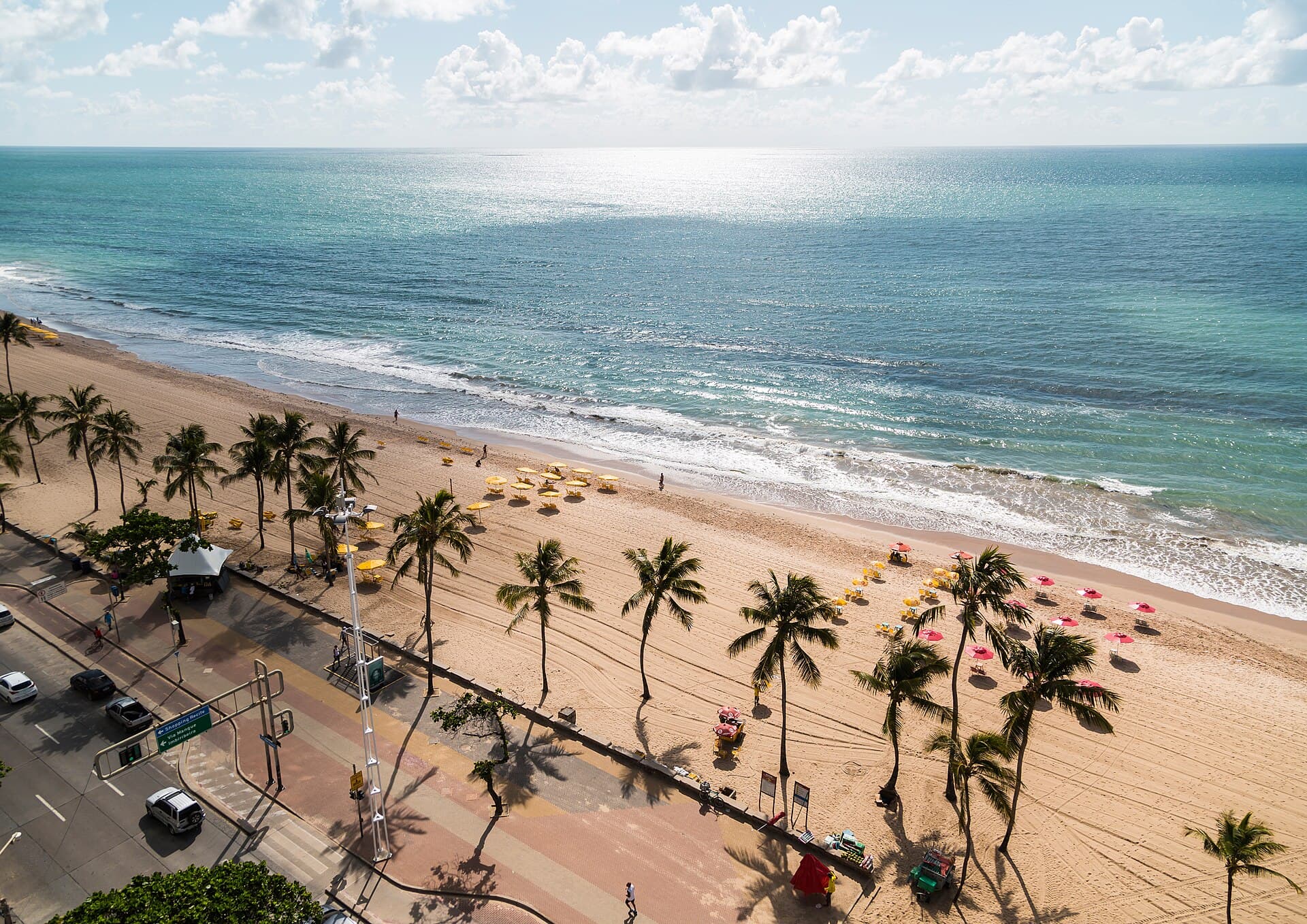
Boa Viagem is Brazil's longest stretch of urban seafront, 8 km of wide sand in Recife where thousands gather and a reef keeps the water at 25 °C. Since Recife began registering attacks in 1992, 64 people have been bitten and 26 have died: a fatality rate of about 37 per cent, against about 16 per cent worldwide. Bull and tiger sharks are responsible. Wikipedia lists the reasons: sewage runoff, a slaughterhouse that has since closed, and the Suape port, built in the 1990s, which is thought to have disrupted the sharks.
4. Réunion: the island that closed its sea
Between 2010 and 2017 there were 23 shark attacks in the waters of Réunion, the French island in the Indian Ocean, and nine were fatal. In July 2013 the island's prefect banned swimming, surfing and bodyboarding off more than half of the coast, and announced a cull of bull and tiger sharks. A tropical island where you are told not to go in the water is a very particular kind of holiday.
5. Jeffreys Bay, South Africa: the one on television
J-Bay is home to the J-Bay Open, a professional surf contest. In 2015, during the finals, the three-time world champion Mick Fanning survived an attack by what is suspected to have been a great white shark. South Africa as a whole has a high number of attacks, and a fatality rate Wikipedia puts at 27 per cent.
6. Lighthouse Beach, Ballina: the barrier that didn't last
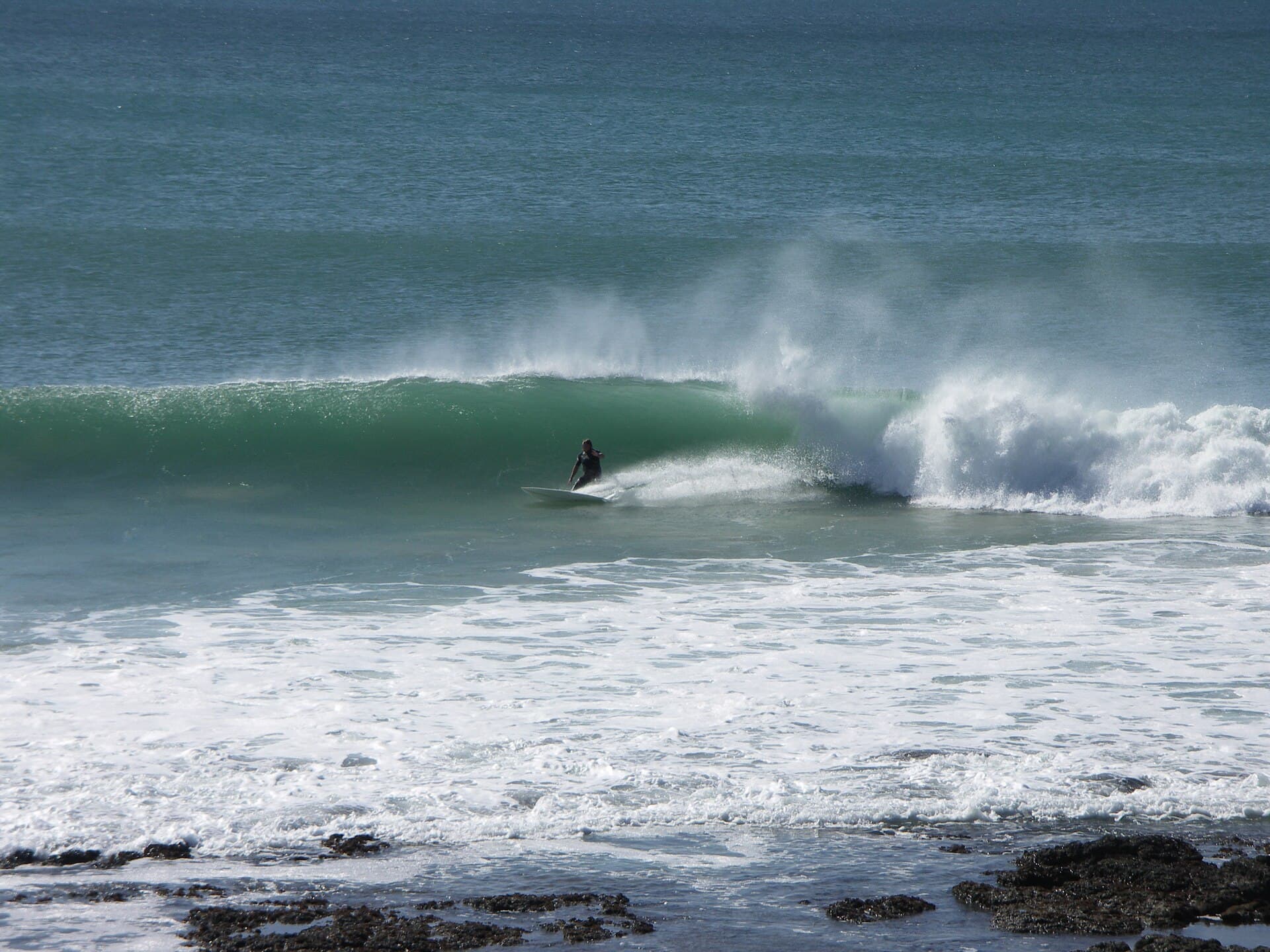
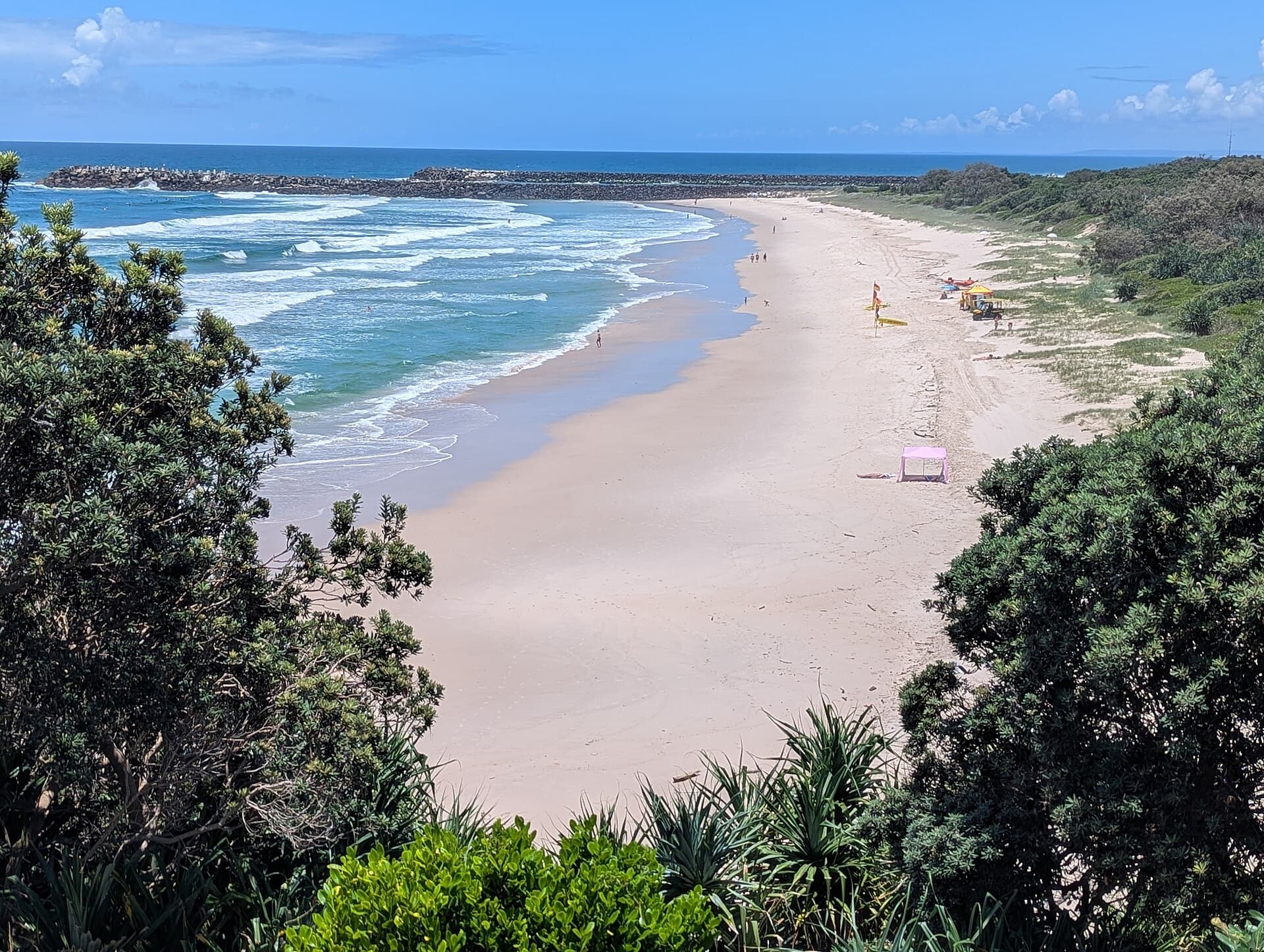
Lighthouse Beach in East Ballina, New South Wales, is a patrolled surf beach about 600 metres long, and Wikipedia says it is most notable for its shark attacks, including fatal ones in 2008 and 2015. A shark barrier was installed in 2016; problems surfaced within months and it was taken out once its effect on the sand and the swell became clear. Another attack followed weeks later, with lifeguards chasing the shark off on jet skis, and drum lines went in at five beaches that year.
Also on the list
Wikipedia's shark-attack article names two more hotspots worth knowing: Makena Beach on Maui, in Hawaii, and Second Beach at Port St Johns, in South Africa.
How not to be a statistic
Swim where the lifeguards are.
Most of the 2025 bites happened to swimmers and waders (46 per cent), then surfers and board riders (32 per cent).
Mind the runoff and the river mouths.
Sewage runoff is part of the story at Recife, and a river mouth at Ballina.
Believe the closures.
When a beach is closed for a shark, it is closed for a reason. Réunion closed half its coast.
Asked
- Where is the shark attack capital of the world?
- New Smyrna Beach, in Volusia County, Florida. It has more recorded shark attacks than anywhere else, and in 2025 Volusia County had six of Florida's 11 unprovoked bites (International Shark Attack File).
- Where do most shark attacks happen?
- By country, the United States: 25 of the world's 65 confirmed unprovoked bites in 2025. Australia had 21, and it has the most fatal attacks of any country.
- How many shark attacks were there in 2025?
- The International Shark Attack File confirmed 65 unprovoked bites worldwide in 2025, nine of them fatal, in line with the five-year average of 61 a year.
- Why are there so many sharks at Recife?
- Wikipedia cites sewage runoff, a now-closed slaughterhouse and the Suape port, built in the 1990s, which is thought to have disrupted bull and tiger sharks. About 37 per cent of attacks there have been fatal.
Receipts
- 2025 worldwide shark bite summary: 65 unprovoked, 9 fatal; by country, state and activity; Volusia County (International Shark Attack File, Florida Museum of Natural History)
- Most recorded attacks at New Smyrna Beach; Recife's record; Australia and Western Australia; Réunion, Makena and Port St Johns as hotspots; South Africa's fatality rate (Wikipedia: Shark attack)
- Volusia County and the world's shark-bite capital; best surf towns (Wikipedia: New Smyrna Beach, Florida)
- Gracetown attacks and the cancelled 2018 Margaret River Pro; SMART drumlines (Wikipedia: Western Australian shark cull)
- Boa Viagem: 8 km, the reef, tiger sharks since the Suape port (Wikipedia)
- Réunion: 23 attacks 2010 to 2017, the 2013 ban (Wikipedia)
- Mick Fanning and the 2015 J-Bay Open final (Wikipedia)
- Lighthouse Beach, Ballina: the attacks and the 2016 barrier (Wikipedia)