Beach Science · October 2026 · 2 min
Black Sand Beaches in Bali: Where the Sand Is Black, and Why
The black is volcanic, and it is mostly in the north and east. The one everybody photographs is on the west coast.
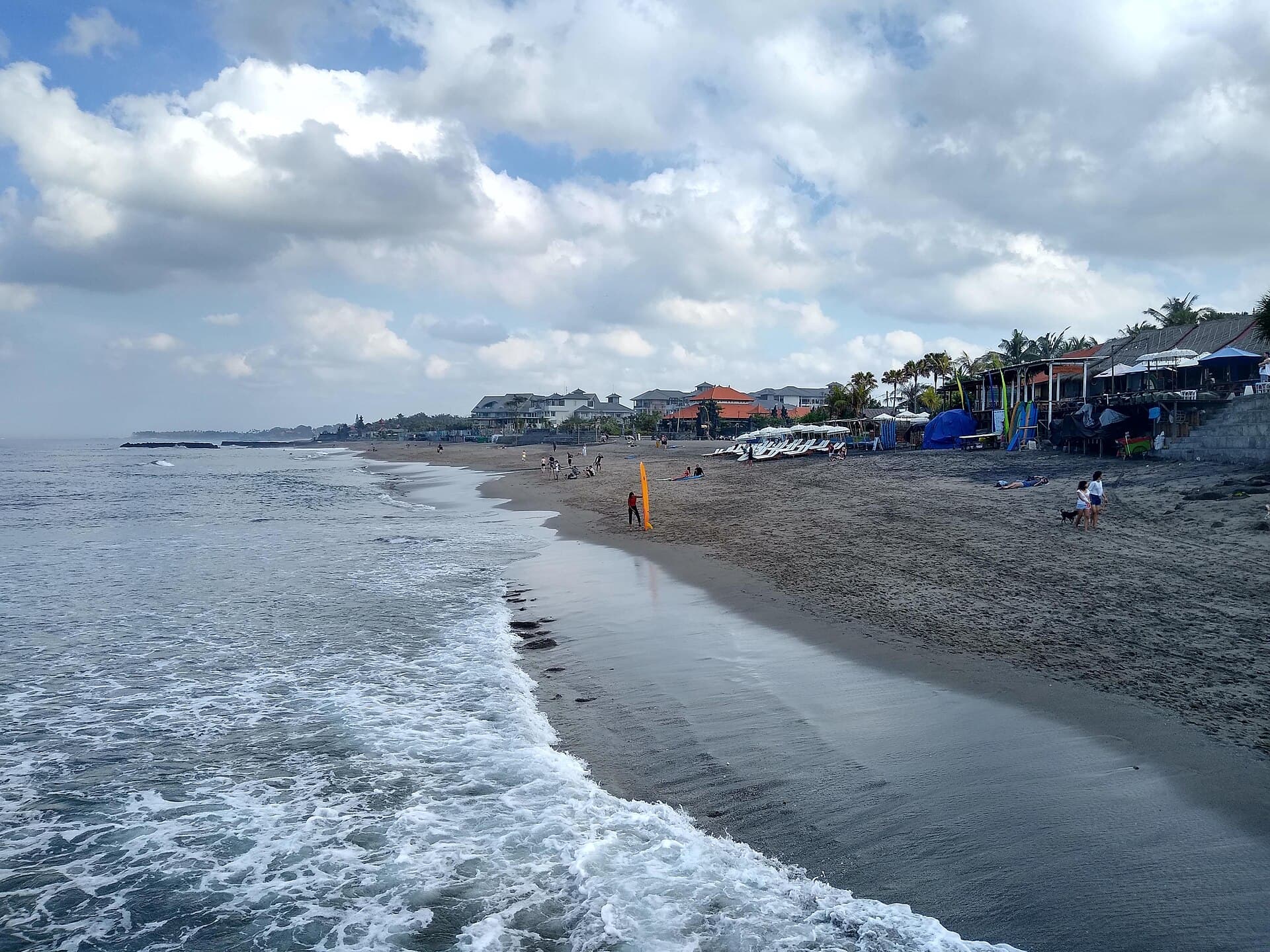
Bali's black sand comes from volcanic activity. One Bali guide puts it in a sentence: the black sand is mostly found in the east and north of the island, at places like Amed and Lovina.
| Beach | Coast | What the sources say |
|---|---|---|
| Lovina | North | Black volcanic sand, calm water, dolphins at sunrise |
| Amed (Jemeluk Bay) | East | A volcanic pebble beach: smooth stones the size of grapefruit, not sand |
| Canggu | West | Long stretches of black sand, and strong surf |
| Balian | West | Black sand, misty hills, a quiet village |
From the four best-of lists and the beach guides in our records.
The exception is the famous one
The rule says north and east. The black sand beach on the most lists is Canggu, which is on the west coast and is named by three of the four. One of those lists calls it possibly the prettiest black sand beach in Bali. Geography textbooks and travel lists do not always check with each other.
Black sand is what a volcano leaves on a beach when nobody is looking.
Black is not always sand
At Amed the volcanic part arrives as stones. The guide to Jemeluk Bay is direct about it: you walk into the water over slippery, uneven rocks, and the beach is pebble from top to bottom. If you came for a towel on soft dark sand, Lovina is the one the sources describe that way.
One practical thing
The sea is warm on every one of them. At the Bali beaches we hold records for, the water stayed between 27.7 and 30.5°C through 2025.
Asked
- Where are the black sand beaches in Bali?
- Mostly in the north and east, such as Lovina and Amed, according to a Bali guide. Canggu and Balian on the west coast also have black sand.
- Why is the sand black in Bali?
- It comes from volcanic activity. At Amed the volcanic material is stones the size of grapefruit, not sand.