The glow ranking
The 10 Best Bioluminescent Beaches in the World
Bioluminescent beaches are the ocean's one genuinely supernatural trick — plankton that flash blue light when the water moves, which means the sea literally lights up because you touched it. We cross-checked the world's best-of lists, threw out everything we couldn't verify, and ranked the ten glowing bays, lagoons, and beaches that actually deliver. Every fact here traces to a real source, because a glow this good doesn't need embellishing.
Water that glows when you touch it. Of course we ranked it.
Mosquito Bay
Puerto Rico
The undisputed champion. You cannot touch it.
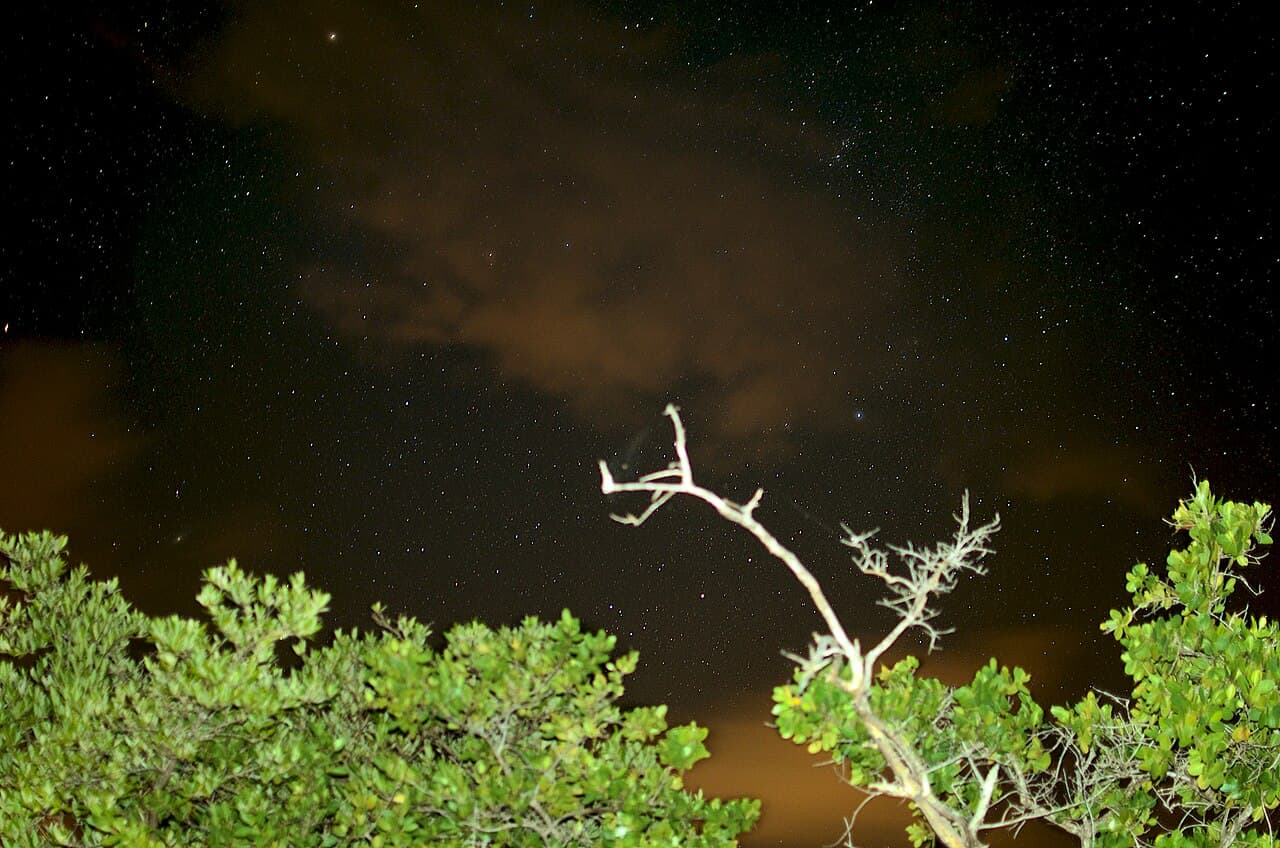
Photo: Edgar Torres · CC BY 3.0
The brightest bio bay on this list is on Vieques, a small island off Puerto Rico, and it runs on a concentration of light-making plankton so absurd it reads like a typo — up to 160,000 of them in a single liter of water. Paddle a kayak through it on a moonless night and every stroke ignites. The cruelest part is the rule that keeps it ranked first: nobody is allowed in the water, which is exactly why the glow stays this strong. The best bioluminescent beach on Earth is a look-don't-touch situation, and honestly, same.
Up to 160,000 dinoflagellates per liter of water — and swimming in it is against the law.
- What glows
- Pyrodinium bahamense dinoflagellates.
- When to go
- Year-round — this is a permanent bay, not a seasonal bloom. Brightness rides on moon phase and weather.
- The moon rule
- Book a new-moon night. A full moon washes the show out.
- Can you swim?
- No. It's illegal, and licensed guides will not allow it.
- Getting there
- Fly about 25 minutes from San Juan (Isla Grande) or ferry about 45 minutes from Ceiba to Vieques, then join a kayak-only night tour out of Esperanza.
The catch
Don't count on photos — the glow rarely shows up on camera. And the brightness is genuinely fragile: bug spray, sunscreen, and light pollution can dim the whole bay.
Receipts: Discover Puerto Rico — bio bays guide · Vieques.com — the bioluminescent bay
Laguna Grande
Puerto Rico
The single-file mangrove gauntlet with a light show at the end.

Photo: Bjoertvedt · CC BY-SA 4.0
Fajardo's entry starts with a kayak through a narrow mangrove canal in the dark — single file, paddles knocking, someone's headlamp on when it shouldn't be — and opens into a lagoon that flashes blue wherever your paddle lands. Swimming has been banned since 2007, when Puerto Rico's Department of Natural Resources decided the plankton mattered more than your bucket list, and the lagoon has been better off for it. An hour and change from San Juan, which makes it the most gettable serious glow on this list.
Swim-free since the 2007 Department of Natural Resources ban — protection the glow visibly repaid.
- What glows
- Dinoflagellates — microorganisms that fire their glow as a defense the moment the water moves.
- When to go
- Summer nights beat winter ones, and dry nights beat rainy ones.
- The moon rule
- Moonless or as close to it as the calendar allows.
- Can you swim?
- No — banned since April 2007 to protect the lagoon.
- Getting there
- About 1 hr 15 min from San Juan along PR-3 to Fajardo. Guided kayak tours only, departing near sundown; roughly $55–68 per person for about 2.5 hours.
The catch
It's a fragile ecosystem — motor oil, sunscreen, and bug spray all damage it — and technically it's a lagoon you reach single-file through a mangrove canal, so claustrophobes should paddle calm.
Receipts: Discover Puerto Rico — Laguna Grande · Puerto Rico Day Trips — Fajardo bio bay
Luminous Lagoon
Jamaica
The one that lets you get in. $25. Go.
Jamaica read the rulebook the Puerto Ricans wrote and decided to have fun instead. The Luminous Lagoon at Falmouth glows year-round, sits half an hour east of Montego Bay, and — this is the part that matters — you're allowed to swim in it. The water runs three to eight feet deep, shallow enough to stand in most of it, glowing around your body while you do. The original boat tour costs twenty-five dollars, which for full-body contact with a natural wonder is the best deal in the Caribbean.
A $25 boat tour, water 3–8 feet deep, and unlike Puerto Rico's protected bays — you can actually swim in the glow.
- What glows
- Dinoflagellates that light up when touched.
- When to go
- Year-round — the warm shallow water keeps the organisms thriving in every season.
- The moon rule
- Skip full-moon nights; the brightness drops when the moon is out.
- Can you swim?
- Yes — encouraged, mid-tour, in water shallow enough to stand in.
- Getting there
- Tours run from the Glistening Waters Marina in Falmouth, about 30 minutes east of Montego Bay. $25 adults, $12.50 kids under 10.
The catch
The lagoon floor is slippery with a jelly-like texture underfoot. Bring water shoes unless you want to experience it barefoot, which we do not recommend and you will do anyway.
Receipts: Glistening Waters — Luminous Lagoon tour · Sandals — Luminous Lagoon guide
Jervis Bay
The wild card. No schedule, no promises, occasionally biblical.
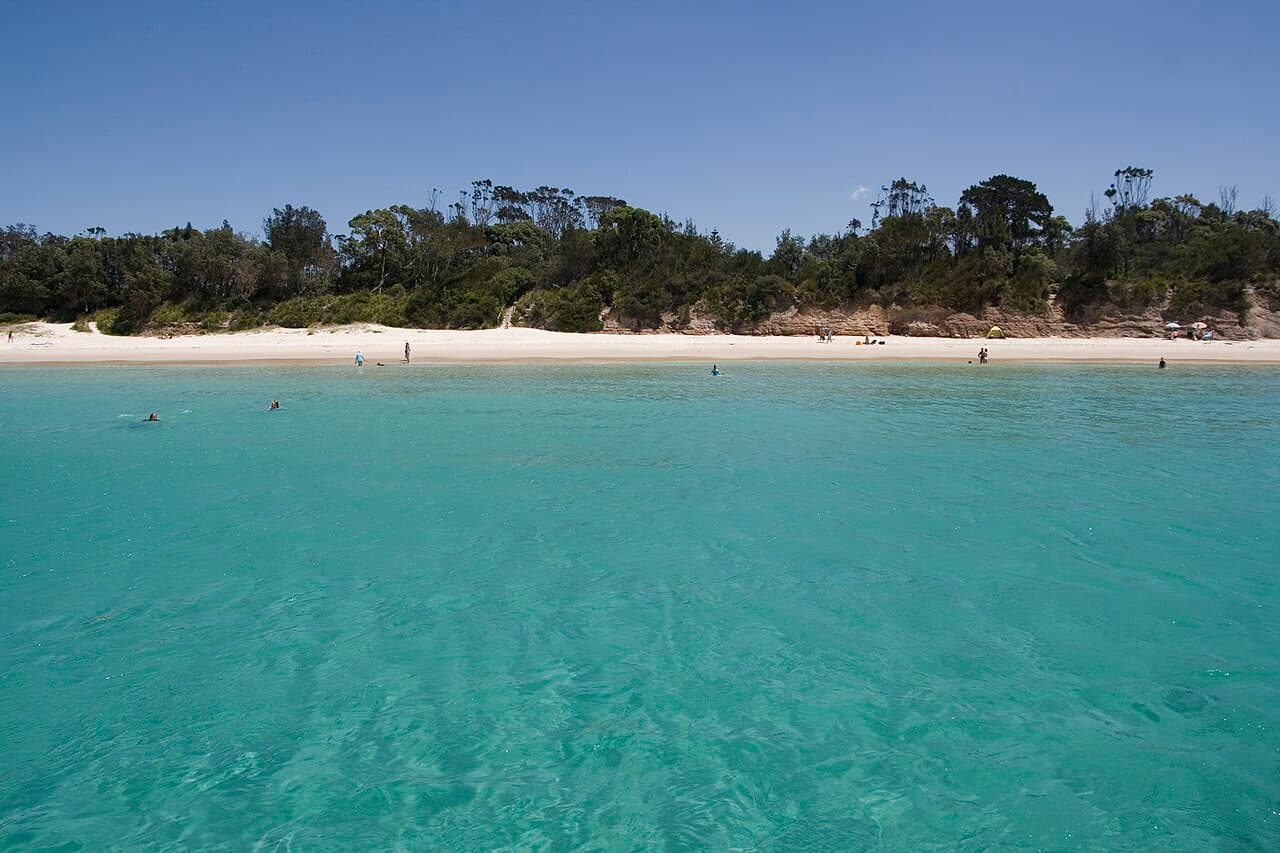
Photo: Maksym Kozlenko · CC BY-SA 4.0
Jervis Bay is what happens when bioluminescence goes free-range. There's no tour desk and no guarantee — the Sea Sparkle plankton bloom when they feel like it, and when they do, the shoreline three hours south of Sydney turns electric. The bay produced notable displays in 2018, 2019, and 2020, and the July 2020 bloom was reported as one of the brightest on record. As for when to go, Australia can't agree with itself: one South Coast guide says February to April, Tourism Australia's own page says September to February. Between the two of them, they've endorsed most of the calendar.
Notable blooms in 2018, 2019, and 2020 — with July 2020 reported as one of the brightest on record.
- What glows
- Noctiluca scintillans — plankton nicknamed 'Sea Sparkle.'
- When to go
- Disputed, delightfully: February–April per a South Coast holiday-park guide, September–February per Tourism Australia. Warmer months are the safer bet; no month is a promise.
- The moon rule
- Dark, moonless nights — even minor light pollution dims it.
- Can you swim?
- Look, don't swim. The organisms are delicate, and some species can mildly irritate skin. Admire from the shoreline; if you must wade, skip the sunscreen and tread gently.
- Getting there
- About a three-hour drive south of Sydney.
The catch
Totally unpredictable. There's no fixed schedule and no guaranteed night, even in the best months. This is a lottery you enter with your calendar.
Receipts: Tasman Holiday Parks — Jervis Bay bioluminescence guide · Tourism Australia — seasonal nature experiences
Matsu Islands — the Blue Tears
Taiwan
A national glow program. Three dollars. Two hundred seats.
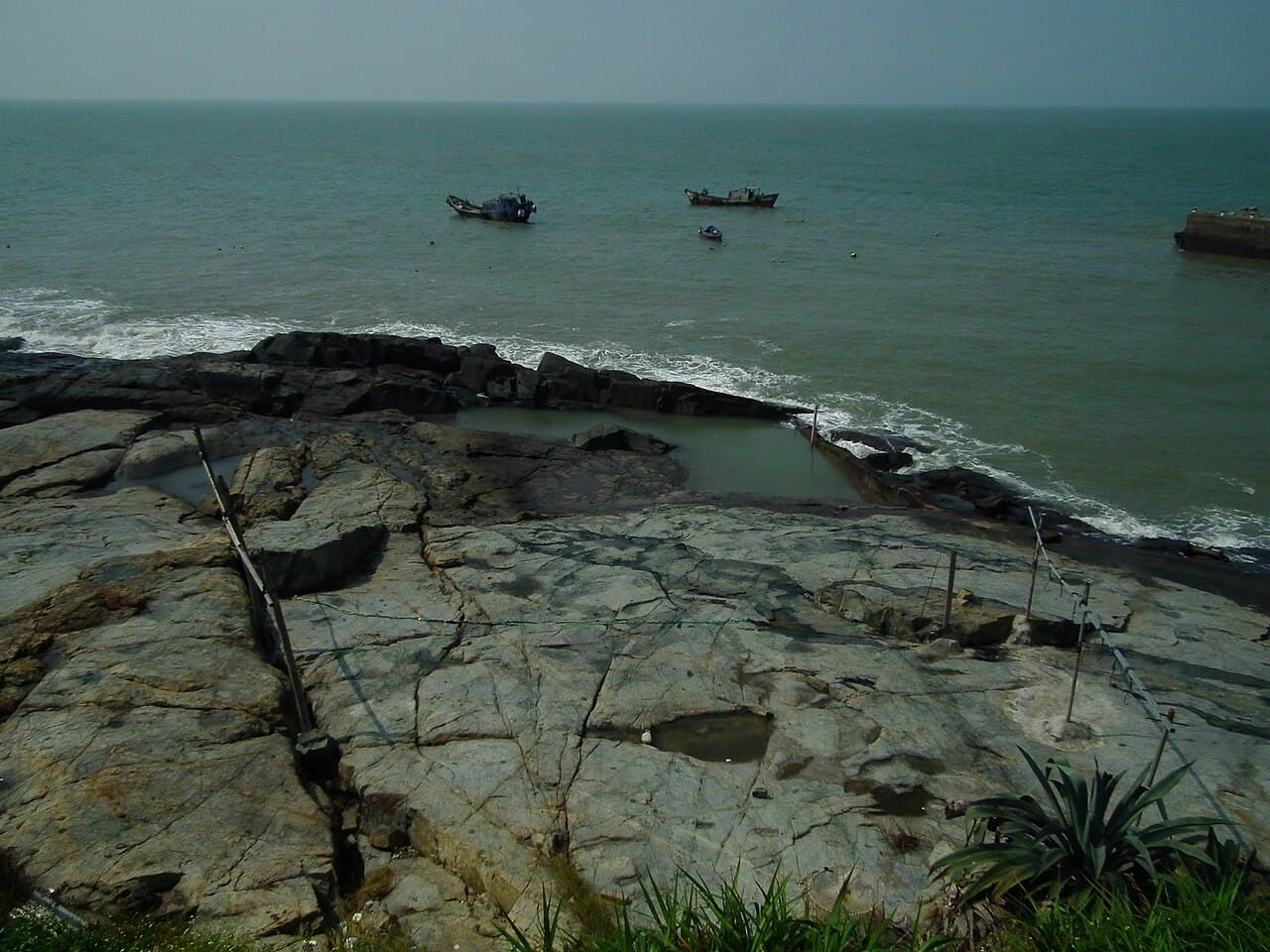
Photo: lienyuan lee · CC BY 3.0
Taiwan treats its bioluminescence the way other countries treat opera houses. The 'Blue Tears' bloom across the Matsu Islands from April to September, and the Lienchiang County government runs official ranger-led night tours for NT$100 — about three US dollars — capped at 200 people, with a lantern and travel insurance included. Getting there is the commitment: an hour's flight from Taipei, or a ferry that takes anywhere from three hours to an overnight haul from Keelung. The glow itself remains gloriously indifferent to your effort.
Government-run 90-minute Blue Tears tours cost NT$100 — about US$3 — capped at 200 people.
- What glows
- Noctiluca scintillans, locally named 'Blue Tears' (蓝眼泪).
- When to go
- April to September, with peak sightings typically April through June.
- The moon rule
- Moonless nights only — one guide calls the full moon the phenomenon's 'worst enemy.'
- Getting there
- Fly about 1 hour from Taipei Songshan to Nangan or Beigan, or ferry — about 3 hours fast from Taipei, 10–11 hours overnight from Keelung.
The catch
It's genuinely down to luck. One traveler's four-night dedicated trip produced one incredible night, one decent one, and two duds. Book more nights than you think you need.
Receipts: The Occasional Traveller — Blue Tears, Matsu · Taiwan News — official Blue Tears tours
La Parguera
Puerto Rico
Puerto Rico's loophole: the one bay where you're allowed in.
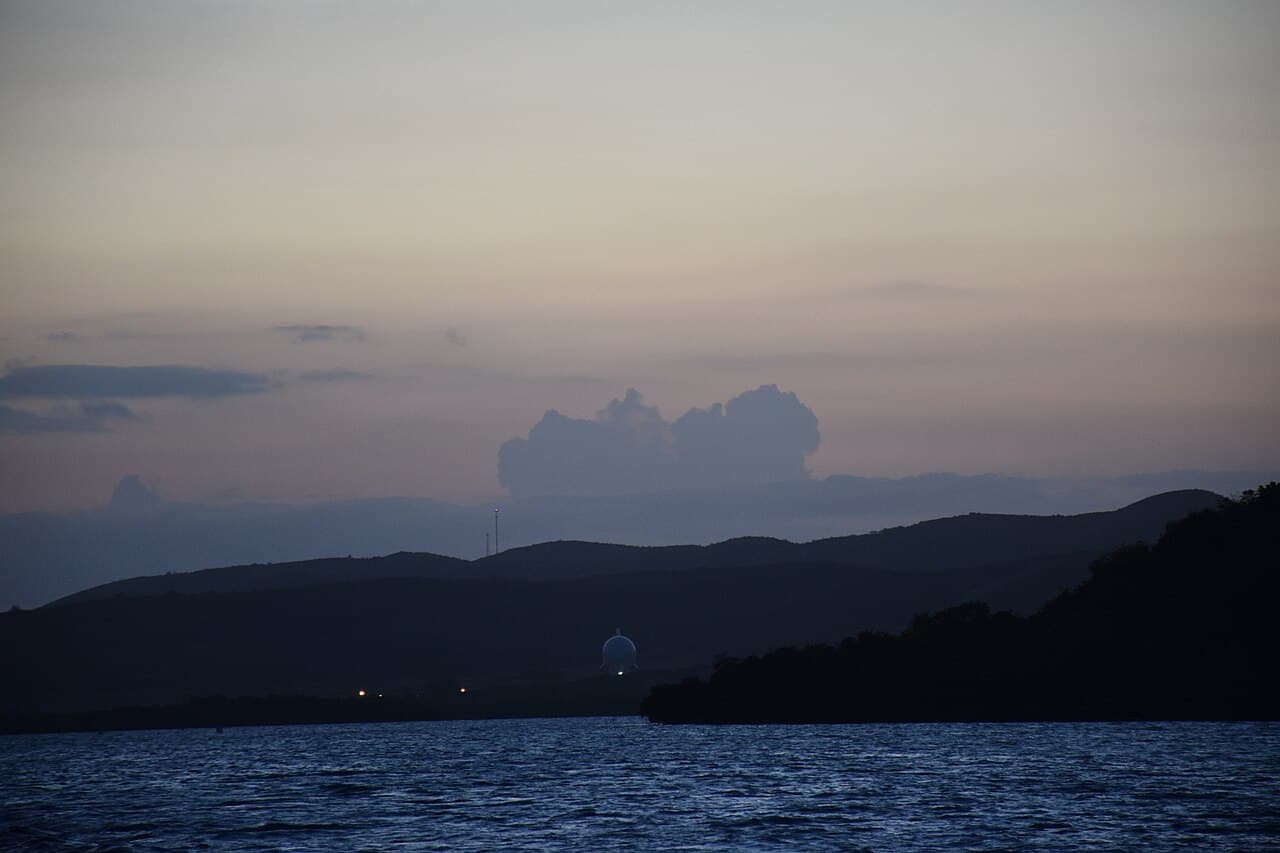
Photo: Clembore Memotech · CC BY-SA 2.0
Puerto Rico has three bioluminescent bays and guards two of them like reliquaries. La Parguera, down on the southwest coast at Lajas, is the exception — the only one where you can legally get in the water. Forty-five dollars buys you a boat ride out and about thirty minutes of actually swimming inside the glow, which the other two bays on this list would arrest you for. The trade-off is the vibe: it's a boat operation rather than a silent kayak drift, so you're getting the swim, not the séance.
The only one of Puerto Rico's three bio bays where swimming is legal — $45 for about 30 minutes in the water.
- The moon rule
- Dark nights, no full moons — the standard Puerto Rico bio-bay doctrine.
- Can you swim?
- Yes — the only Puerto Rico bio bay where you can. About 30 minutes in the water on a dedicated tour.
- Getting there
- Southwest coast at Lajas, about 2 hr 15 min from San Juan. Boat-based tours; a dedicated swim tour runs $45.
The catch
It's boats, not kayaks — less intimate than Vieques or Fajardo — and full-day packages from San Juan run about eight hours round trip. Our sources also never name the organism or a best season here, so we won't pretend to know.
Receipts: Parguera Eco Tours · Discover Puerto Rico — bio bays guide
Mudhdhoo Island — the Sea of Stars
Maldives
The honeymoon closer. Starts after everyone's bedtime.
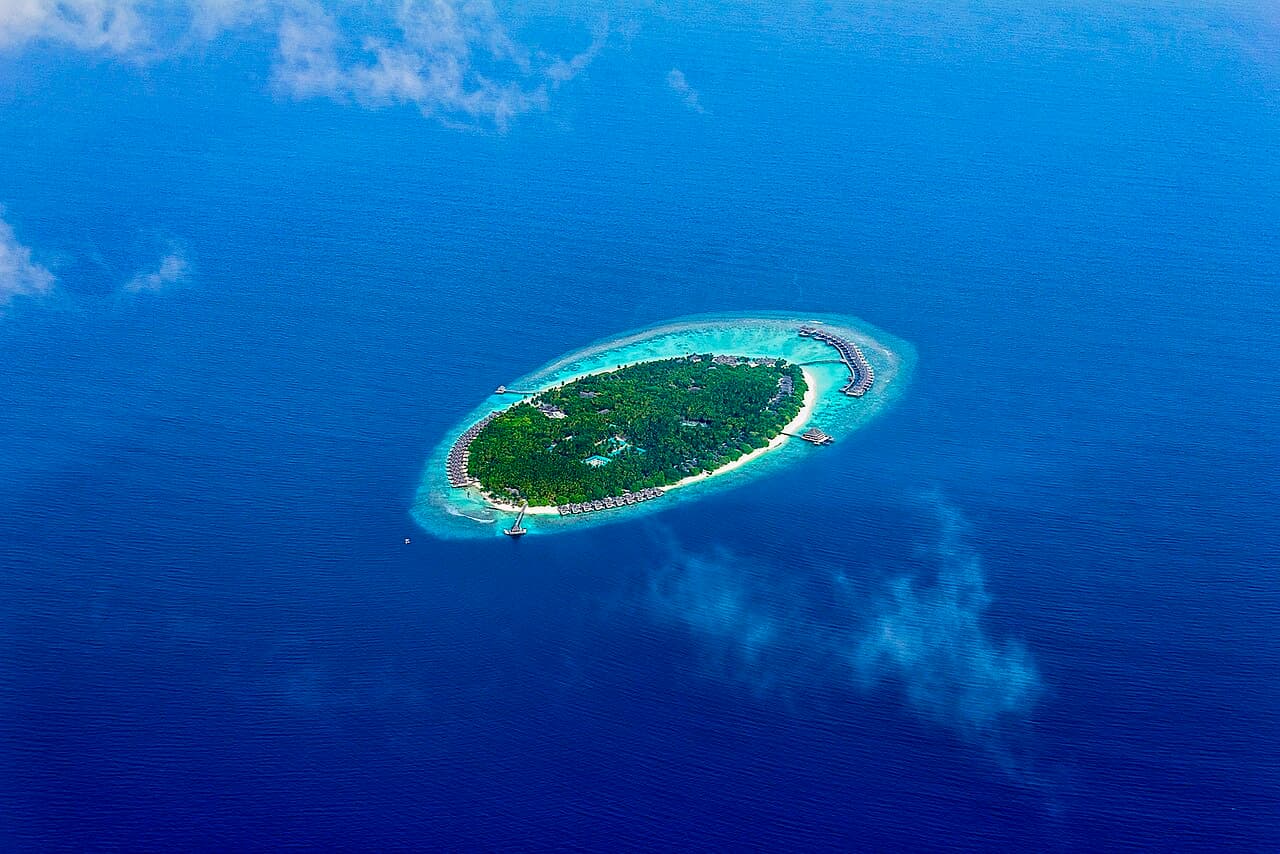
Photo: Abllo · CC BY-SA 4.0
The Maldives' famous 'Sea of Stars' shot — the beach that looks like the galaxy washed ashore — traces to islands like Mudhdhoo in Baa Atoll, a UNESCO Biosphere Reserve where the Dusit Thani resort gets regular displays in late summer. The glow rides the southwest monsoon, June to October, peaking July through September, and it doesn't properly switch on until after 10pm, when the sky goes fully dark. A guided tour runs $50 to $150, the plankton are harmless, and you can swim in it — assuming you can stay awake for a natural wonder that keeps nightclub hours.
Tours run $50–150 and start after 10pm — the glow needs total darkness, so the show lives on the far side of your bedtime.
- What glows
- Dinoflagellates — chiefly Noctiluca scintillans ('sea sparkle'), with Lingulodinium polyedrum also cited.
- When to go
- Southwest monsoon season, June–October, with July–September the peak plankton months.
- The moon rule
- New-moon nights, viewed from about 10pm once it's fully dark.
- Can you swim?
- Yes — the plankton is non-toxic and harmless.
- Getting there
- Baa Atoll, a UNESCO Biosphere Reserve; the Dusit Thani Maldives resort sits on Mudhdhoo and sees regular late-summer displays.
The catch
No night is guaranteed, even at peak — sightings ride on plankton concentration, tide, and moon phase. The monsoon season that feeds the glow is also, notably, the monsoon season.
Receipts: Holiday.com.mv — Sea of Stars · A Maldives — bioluminescence tours
Manialtepec Lagoon
Swim in the stars. Mind the crocodiles. We're serious.
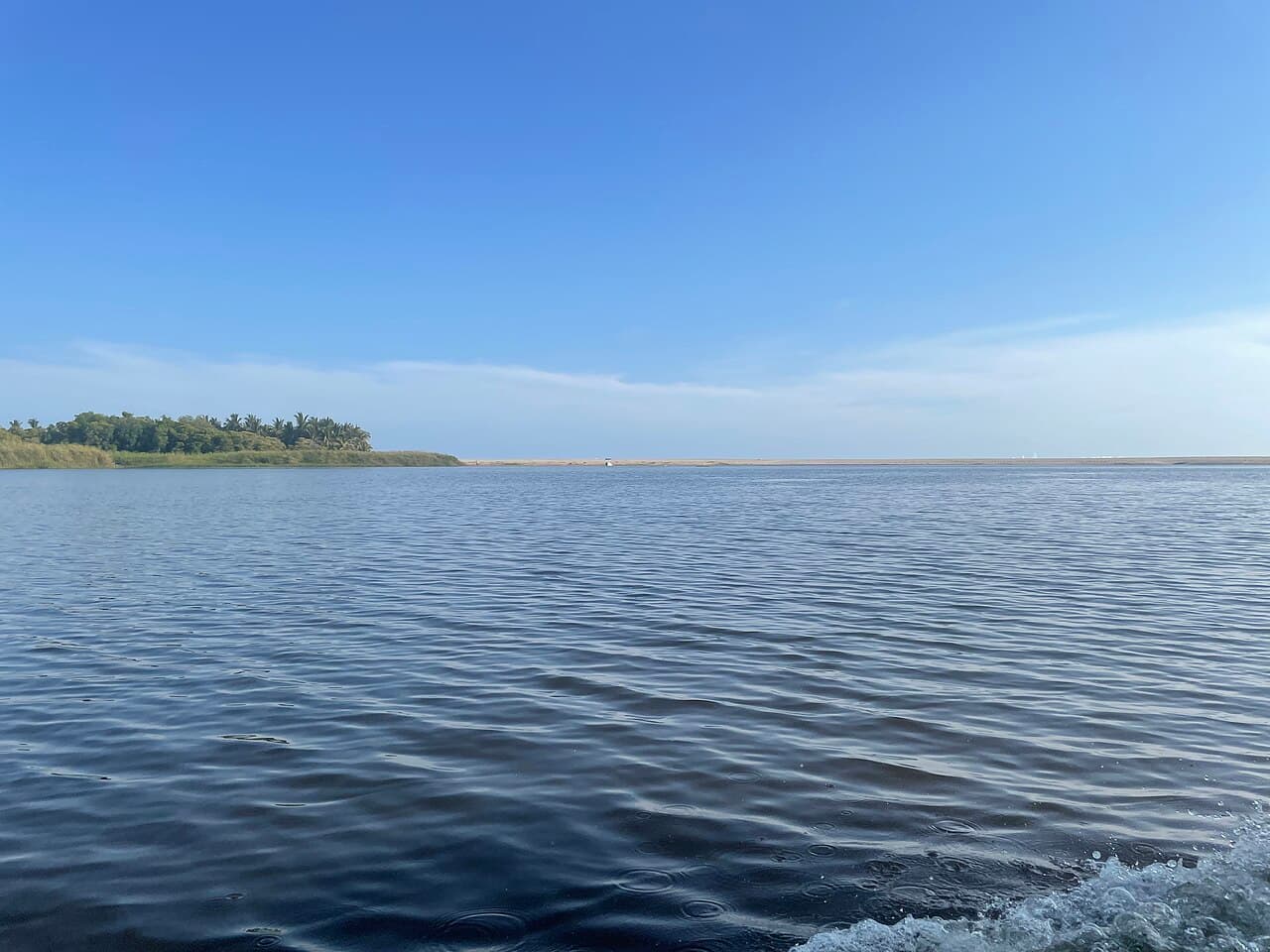
Photo: Lunita28mx · CC BY 4.0
Twenty minutes north of Puerto Escondido, Manialtepec is the glow experience with the most plot. The $950-peso tour includes an actual swim in lit-up water, life jackets on, while your guide steers you away from the parts of the lagoon where the crocodiles nest — a sentence we did not invent, because in 2021 a young British woman was seriously injured by one near here. On the question of when to come, the local guide says May to November and the official tour operator says September to May, which between them covers every month and agrees only on May. Mexico remains undefeated.
The $950 MXN, 2.5-hour tour includes an actual swim in the glow — crocodiles notwithstanding.
- What glows
- Dinoflagellate plankton, drawn into the lagoon by ocean currents and water temperature.
- When to go
- Disputed: May–November (rainy season) per a long-time local guide; September–May per the official operator's FAQ. The only month both endorse is May.
- The moon rule
- New moon for the darkest sky — some operators bring black-out tents on brighter nights, which is commitment.
- Can you swim?
- Optional and generally considered safe with the provided life jackets — with the notable caveat that crocodiles live in this lagoon and guides steer clear of nesting areas.
- Getting there
- About 20 minutes from Puerto Escondido, hotel pickup included; not practical independently. $950 MXN per person, about 2.5 hours.
The catch
The crocodiles are real — a serious attack injury occurred near the lagoon in 2021. Go with a guide, swim where they say, and nowhere else.
Receipts: Puerto Escondido — official bioluminescence tour · A Taste for Travel — swimming Manialtepec
Railay Beach
The add-on that upstages the main event.
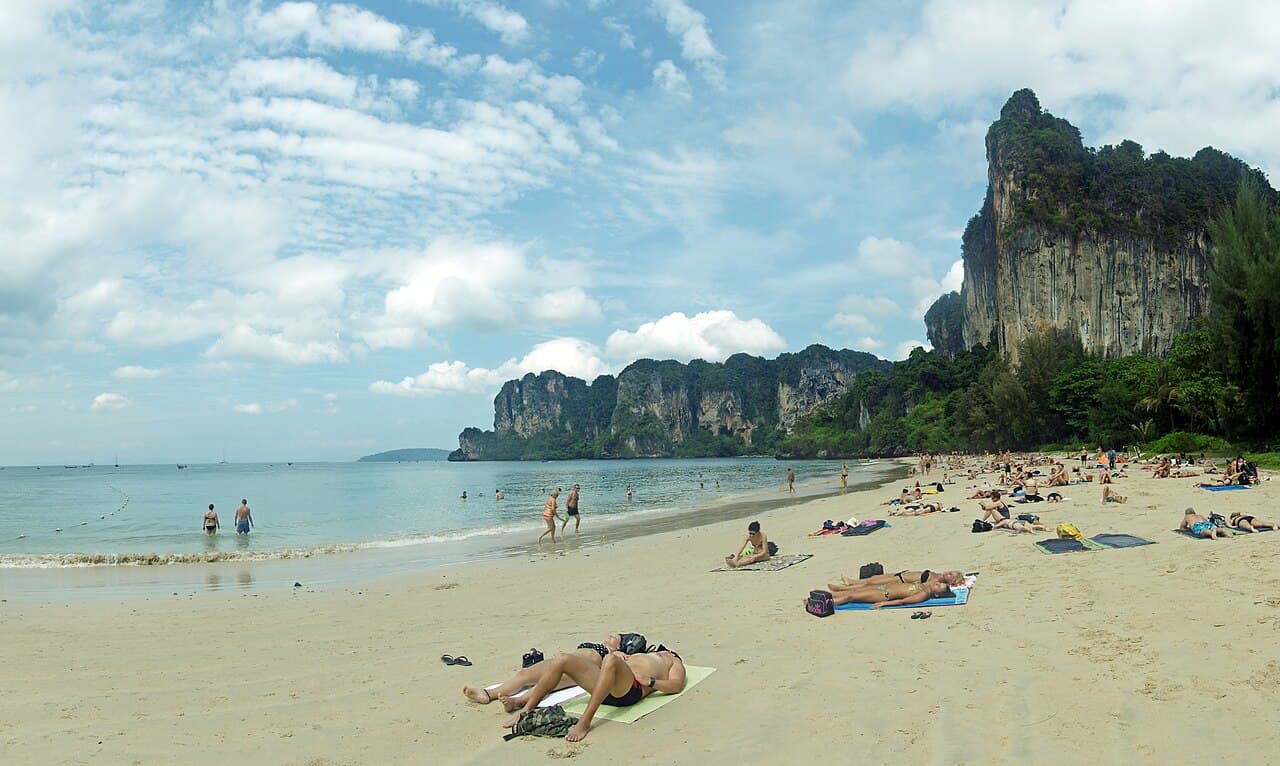
Photo: kallerna · CC BY-SA 3.0
Railay is already one of Thailand's most photographed beaches by day — the limestone cliffs do most of the posing. The night version is the sleeper: longtail boats head out at 5pm, and after dark your guide asks, casually, whether anyone would like to swim in glowing water. High season, November to April, gives you the best odds; the new moon, give or take two days, does the rest. Thailand being Thailand, there's a national park fee on top of the tour price for the privilege — 400 baht for adults, 200 for kids — which works out to a few dollars for swimming inside a light show.
The national park charges its own entry — 400 THB adults, 200 THB kids — on top of the tour, to swim in the glow.
- When to go
- High season, November–April, for the best odds.
- The moon rule
- Within 1–2 days of the new moon, either side.
- Can you swim?
- Yes — guided night tours include an optional swim in the glow.
- Getting there
- Boat-based tours out of Krabi; the private longtail tour picks up at 5pm and returns by 9pm.
The catch
Luck-dependent even for the guides — a strong sighting gets talked about as good fortune, not a sure thing. Our sources also never name the species doing the glowing here, so neither will we.
Receipts: Krabi Tourism — bioluminescent plankton tour · Snap Happy Travel — kayaking the glow at Krabi
Cocoa Beach
USA
The overachiever: two glows a year, 45 minutes from Disney.
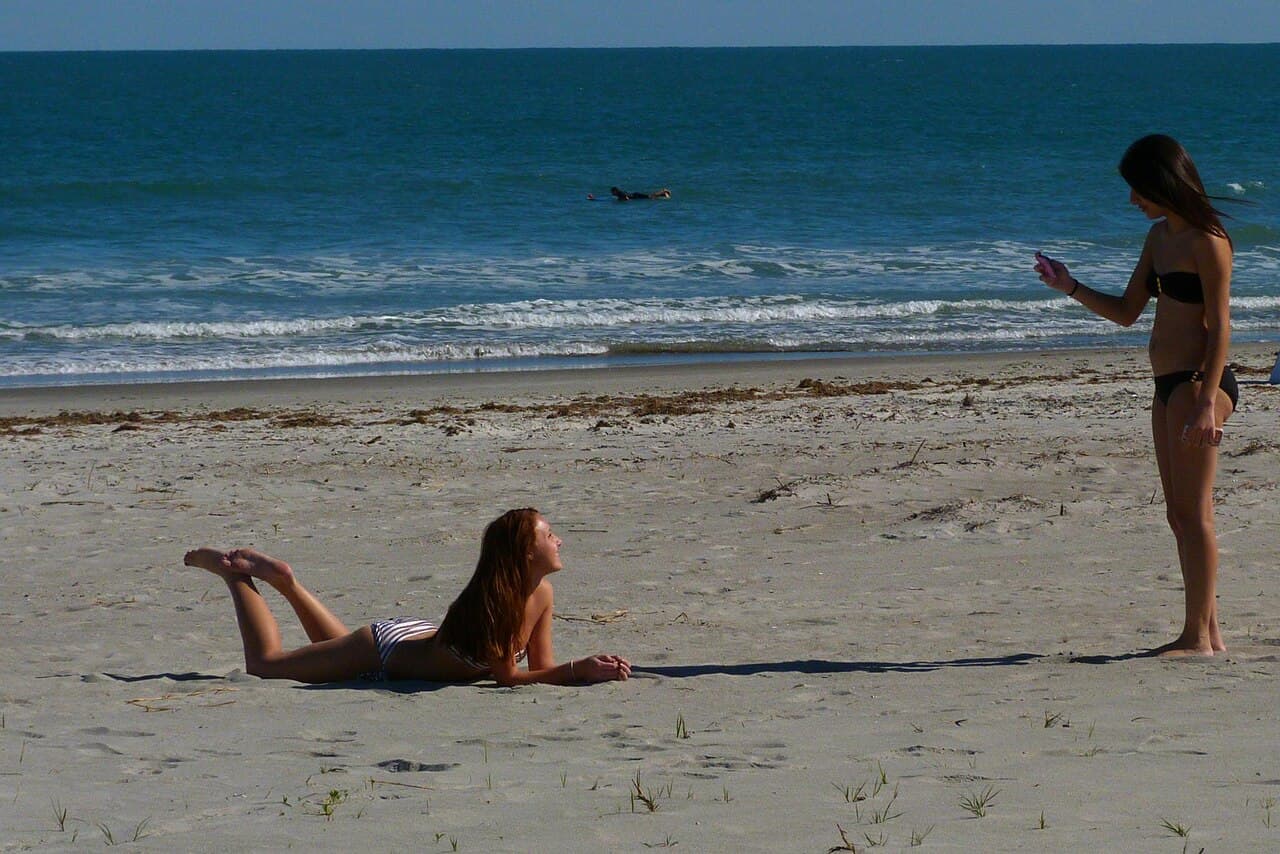
Photo: Rusty Clark · CC BY 2.0
Florida's Space Coast runs bioluminescence like a shift schedule. Summer belongs to the dinoflagellates — June through September, the classic blue glow. Then in November the comb jellies clock in and carry the light through April. Two different organisms, two seasons, nearly a full year of glow, all about 45 minutes from Orlando — meaning you can watch a rocket launch, swim in glowing water, and be back at your hotel before the parks open. The dinoflagellates are harmless to touch, no stinging, no toxins, which is more than Florida can say for most of its wildlife.
Two organisms split the year — dinoflagellates June–September, comb jellies November–April — 45 minutes from Orlando.
- What glows
- Bioluminescent dinoflagellates in summer; comb jellies — an entirely different organism — take the winter shift.
- When to go
- Peak dinoflagellate viewing June–September (season runs May to early October); comb jellies November–April.
- The moon rule
- Around the new moon, when the sky is darkest.
- Can you swim?
- Safe to touch and paddle through — no stinging, no toxins — though the standard experience is kayak and pontoon tours rather than open swimming.
- Getting there
- Tour launch points (Haulover Canal, Kiwanis Island Park, Beacon 42) are all about 45 minutes from Orlando.
The catch
Rain and storms dilute the glow, and most tours set a minimum age of 5 — the rare Florida attraction with a bouncer.
Receipts: Visit Space Coast — bioluminescence · BK Adventure — Florida bioluminescence guide
How this list was made
Selection: ten locations cross-scored by appearances across four cached authority lists, tie-broken toward reliable recurring glow over rare one-off blooms. Every fact on this page was extracted with a verbatim quote from a cached source page and re-checked by script (66/66 field checks passed); anything we couldn't source that way simply isn't here, including the organism species at two locations and the swim rules at one. Photos are license-safe Wikimedia Commons images of the real locations, credited to their photographers — none of them capture the glow itself, because almost nothing does; that's rule one of bioluminescence. Where our sources disagreed (two locations, on best season), we printed the disagreement instead of picking a side.
More ways to judge a beach